
THE RETURNED KEY
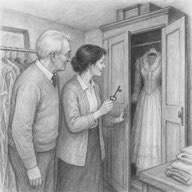
On a wet Tuesday in Norwich, Helen Price found a brass key in a second-hand coat. She had bought it from a charity shop near the market. A paper label on the key said, “Box 14, Thursday.” Nothing else was written on it.
At lunch, Helen showed it to her colleague, Tariq. He turned it over beside his mug of tea. “It could belong to a station locker,” he said. “Or a secret box full of diamonds.” Helen laughed. “In Norwich? It is more likely to hold old bus tickets.”
After work, they returned to the charity shop. The manager, Mrs Webb, remembered the coat. “An older gentleman brought in three bags last week,” she said. “His name was Arthur Bell. He is moving to sheltered housing.” She found his address in the donation book, but she would not share his phone number.
“I can ring him for you,” Mrs Webb offered. Arthur answered, but his voice was uncertain. He did not remember any key. Then Mrs Webb mentioned the label. “Thursday?” he said. “That sounds like my wife. She organised everything by day. Mrs Webb may share my address. Please come tomorrow.”
Arthur lived in a red-brick house with a neat front garden. He invited Helen and Tariq inside, where half-packed boxes filled the hall. On the wall hung a photograph of Arthur with a smiling woman beside the sea. “That was Jean,” he said. “She died two years ago.”
The three of them tried the key in several desks and cupboards. It fitted nothing. Arthur made tea and opened a packet of shortbread. “Jean kept a wooden sewing box,” he said suddenly. “But my daughter took it to the new flat yesterday. Perhaps Box 14 means something else.”
Helen noticed a row of small wooden boxes on a shelf. Each one held postcards, buttons or coins. The fourteenth box had no lock. Inside was a bus timetable and a note in Jean’s handwriting: “Thursday, 10.30, Castle Museum.” Arthur stared at it, then began to smile.
“We went there every Thursday when we first retired,” he explained. “Jean volunteered in the costume room. I waited in the café and read the paper.” Tariq pointed at the key. “Could it open something at the museum?” Arthur placed the note beside the key. “We should meet there tomorrow,” he said.
The next morning, Helen took an early lunch break and met Arthur outside the museum. A curator named Lucy listened to their story. “Jean’s old cupboard has remained in storage while we finish a full inventory,” she said. “No one knew where its key had gone.” Box 14 was not a box at all. It was cupboard number fourteen.
Inside the cupboard were cotton gloves, a pencil and a biscuit tin. The tin held dozens of short notes about dresses Jean had repaired. At the bottom was an envelope for Arthur. He opened it slowly. Jean had written that she wanted him to donate her favourite red dress to the museum.
Arthur looked surprised. “I nearly gave that dress to the charity shop,” he said. “It is still in a suitcase.” Lucy explained that the dress was not valuable, but it was made in a local factory that had closed in the 1960s. It would help tell the story of ordinary workers.
A month later, the red dress appeared in a small museum display. Arthur stood beside it with Helen, Tariq and Mrs Webb. The label included Jean’s name and her years as a volunteer. “No diamonds,” Tariq whispered. Helen smiled. “No, but it was still worth returning the key.”
VOCABULARY
second-hand: previously owned and used by someone else
charity shop: a shop that sells donated goods to raise money for a charity
brass: a yellow metal made mainly from copper and zinc
label: a small piece of paper or material that gives information about an object
locker: a small lockable cupboard for keeping personal belongings
colleague: a person you work with
donation: money or goods given to help a person or organisation
sheltered housing: homes for older or disabled people with support available nearby
uncertain: not sure about something
organise: to arrange things in a clear and useful way
half-packed: partly prepared for moving, with some things already in boxes
sewing box: a container for needles, thread and other sewing items
shortbread: a rich, crumbly biscuit made with butter
handwriting: the particular way a person writes by hand
timetable: a list showing the times when events or services happen
retire: to stop working, usually because of age
volunteer: to work willingly without being paid
curator: a person who manages a museum collection or exhibition
storage: a place or method used for keeping things until they are needed
inventory: a complete list of objects kept in a place
repair: to fix something that is damaged
donate: to give money or goods to help a person or organisation
display: an arrangement of objects shown for people to see
local factory: a building in the nearby area where goods are made
worth returning: valuable or important enough to take back to its owner
MULTIPLE-CHOICE QUESTIONS
Choose the best answer based on the story.
1. When and where did Helen find the key?
A. On a wet Tuesday in Norwich
B. On a sunny Friday in York
C. On a cold Monday in Bristol
D. On a windy Sunday in London
2. Where had Helen bought the coat?
A. At a department store
B. At a charity shop near the market
C. At a railway station
D. At a museum shop
3. What was the key made of?
A. Silver
B. Iron
C. Brass
D. Plastic
4. Who was Tariq?
A. Helen's neighbour
B. Helen's brother
C. The museum curator
D. Helen's colleague
5. What did Tariq jokingly suggest the key might lead to?
A. A box of diamonds
B. A lost bicycle
C. A hidden garden
D. A bag of old clothes
6. How many bags had Arthur brought to the charity shop?
A. One
B. Three
C. Five
D. Seven
7. What personal detail did Mrs Webb refuse to share?
A. Arthur's address
B. Arthur's surname
C. Arthur's phone number
D. Arthur's moving date
8. What filled the hall in Arthur's house?
A. Museum costumes
B. Old newspapers
C. Wooden chairs
D. Half-packed boxes
9. What did the photograph on Arthur's wall show?
A. Arthur and Jean beside the sea
B. Jean working in a factory
C. Helen and Tariq at the market
D. Mrs Webb outside the charity shop
10. What happened when they tried the key in Arthur's desks and cupboards?
A. It opened every cupboard
B. It fitted nothing
C. It broke in a desk lock
D. It opened Jean's sewing box
FILL IN THE BLANKS
Complete each sentence with the correct word.
1. The paper __________ on the key gave two short clues.
2. Arthur was preparing to move into __________.
3. Mrs Webb found Arthur's address in the __________.
4. Arthur served tea and opened a packet of __________.
5. Jean kept needles and thread in a wooden __________.
6. Arthur recognised the note because it was in Jean's __________.
7. The fourteenth wooden box contained a bus __________.
8. Lucy worked at the museum as a __________.
9. The museum was completing a full __________ of its stored objects.
10. Jean used to __________ in the costume room without being paid.
COMPREHENSION QUESTIONS
Answer each question using details from the story.
1. Why did the word 'Thursday' make Arthur think of Jean?
__________________________________________
2. What did Arthur and Jean do at the Castle Museum after they retired?
__________________________________________
3. Why did the group decide to take the key to the museum?
__________________________________________
4. What did 'Box 14' actually mean?
__________________________________________
5. What did the biscuit tin inside the cupboard contain?
__________________________________________
6. What did Jean ask Arthur to do with her favourite red dress?
__________________________________________
7. Why was the red dress useful to the museum even though it was not valuable?
__________________________________________
8. What had Arthur nearly done with the red dress?
__________________________________________
9. How did the museum display recognise Jean's contribution?
__________________________________________
10. What did Helen mean when she said the key was still worth returning?
__________________________________________
TRUE/FALSE QUESTIONS
Read each statement and decide whether it is true or false.
1. Arthur remembered the key as soon as Mrs Webb first rang him.
2. Jean had died two years before Helen and Tariq met Arthur.
3. Arthur's daughter had taken Jean's sewing box to the new flat.
4. The fourteenth small wooden box was secured with a lock.
5. Helen met Arthur outside the museum the next morning.
6. Museum staff had thrown Jean's old cupboard away.
7. The cupboard contained cotton gloves and a pencil.
8. Arthur had already brought the red dress to the museum that morning.
9. The red dress appeared in a museum display one month later.
10. Mrs Webb joined Arthur, Helen and Tariq at the finished display.