
Understanding Orchids
The Timeless Beauty of Orchids
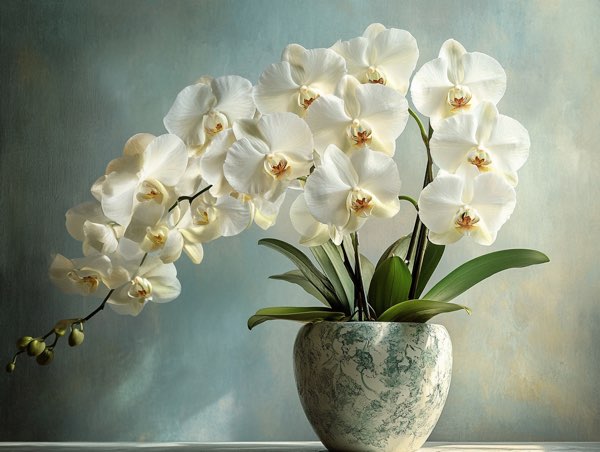
Orchids have captivated plant lovers for centuries, admired for their intricate blooms, delicate fragrance, and exotic allure. With over 25,000 species and more than 100,000 hybrids, they are one of the most diverse plant families in the world. From the rainforests of South America to the high-altitude regions of Asia, these stunning flowers have evolved to thrive in a variety of environments.
Yet, despite their beauty, orchids have a reputation for being difficult to care for. Many people believe they require special skills or constant attention, leading them to avoid growing these plants altogether. However, the truth is quite the opposite—with the right knowledge and techniques, anyone can successfully grow orchids at home.
In this chapter, we will explore what makes orchids unique, introduce popular varieties for home cultivation, and help you choose the best orchid for your environment.
What Makes Orchids Unique?
Orchids differ from most houseplants in several key ways:
- Epiphytic Growth – Unlike traditional plants that grow in soil, many orchids (such as Phalaenopsis and Dendrobium) are epiphytes, meaning they attach themselves to trees and absorb moisture from the air.
- Long-Lasting Blooms – Orchids bloom for weeks or even months, making them one of the longest-flowering plants in nature.
- Unique Watering Needs – Orchid roots require good airflow and must not sit in waterlogged soil, as they are prone to rot.
- Special Light Requirements – While some orchids thrive in bright, indirect light, others can adapt to low-light conditions, making them versatile houseplants.
Understanding these characteristics is the first step toward providing the right care for your orchid.
Popular Orchid Varieties for Home Growers
Choosing the right orchid depends on your experience level, lighting conditions, and care preferences. Here are five of the most popular and beginner-friendly varieties:
1. Phalaenopsis (Moth Orchid) – Best for Beginners
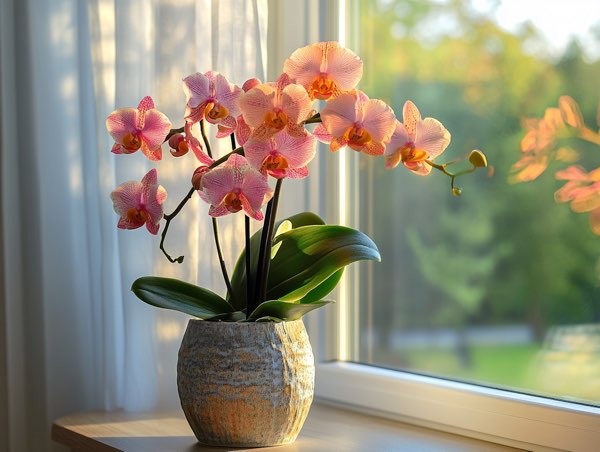
Why Choose It? The most common and beginner-friendly orchid, Phalaenopsis adapts well to indoor environments and blooms for months.
- Light: Medium to bright indirect light
- Water: Once a week; allow the roots to dry slightly between waterings
- Temperature: 65–75°F (18–24°C)
2. Dendrobium – The Long-Blooming Orchid
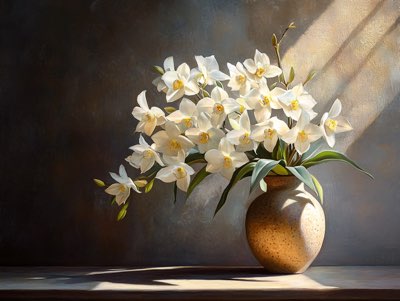
Why Choose It? Known for its long, vertical canes and multiple bloom cycles, Dendrobiums are hardy and relatively easy to grow.
- Light: Bright, indirect sunlight
- Water: Every 4–7 days; prefers slightly drier conditions
- Temperature: 60–80°F (16–27°C)
3. Cattleya – The Fragrant Orchid
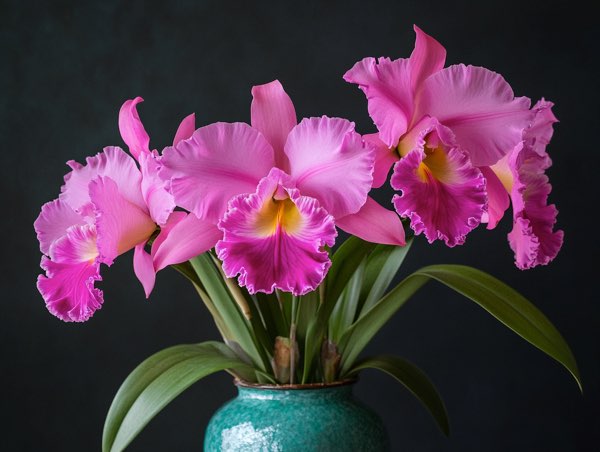
Why Choose It? Famous for its large, colorful flowers and strong fragrance, Cattleya is a favorite among orchid enthusiasts.
- Light: Bright light, including some direct morning sun
- Water: Every 5–7 days; let roots dry out between watering
- Temperature: 65–85°F (18–29°C)
4. Oncidium (Dancing Lady Orchid) – The Abundant Bloomer
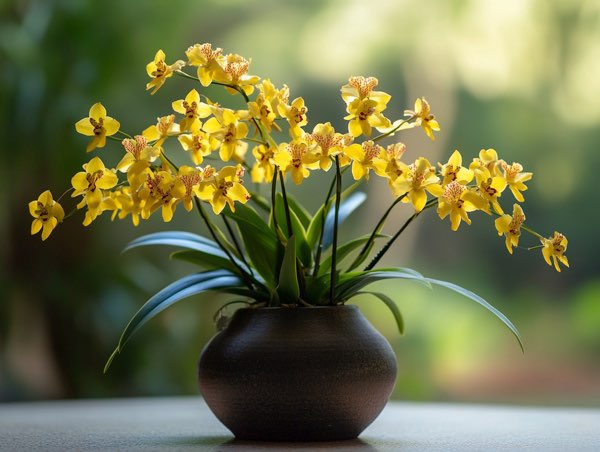
Why Choose It? With its delicate, fluttering petals that resemble dancing figures, Oncidium orchids bloom frequently and have a sweet fragrance.
- Light: Bright, indirect sunlight
- Water: Frequent watering, but avoid soggy roots
- Temperature: 60–80°F (16–27°C)
5. Vanda – The Challenging Beauty
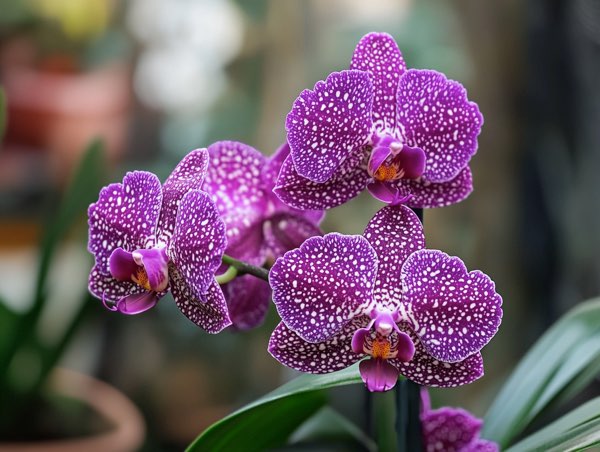
Why Choose It? Vanda orchids produce stunning, large flowers in vivid blues, purples, and pinks but require high humidity and plenty of airflow.
- Light: Bright, direct morning light
- Water: Daily misting or soaking; prefers high humidity
- Temperature: 70–90°F (21–32°C)
How to Choose the Right Orchid for Your Home
If you are new to orchid care, selecting the right plant is crucial. Consider these factors before making a purchase:
- Lighting Conditions:
◦ Bright indirect light? Choose Phalaenopsis or Cattleya
◦ Lower light conditions? Consider Dendrobium or Oncidium
- Watering Frequency:
◦ Forgetful waterer? Try Cattleya (more drought-tolerant)
◦ Enjoy daily plant care? Choose Vanda (high humidity needs)
- Humidity Levels:
◦ Standard indoor humidity (40-60%)? Phalaenopsis and Oncidium
◦ High humidity (60-80%)? Vanda and Dendrobium
- Flower Longevity and Frequency:
◦ Want long-lasting flowers? Phalaenopsis (3+ months per bloom cycle)
◦ Prefer frequent blooms? Dendrobium and Oncidium (multiple blooms per year)
Troubleshooting Common Beginner Mistakes
- Leaves turning yellow? Overwatering or too much direct sunlight
- Wrinkled or droopy leaves? Underwatering or low humidity
- Bud blast (buds falling off before blooming)? Sudden temperature changes or dry air
- Moldy or mushy roots? Poor drainage, overwatering, or lack of airflow
When in doubt, less water is better than too much. Orchid roots thrive when they dry out slightly between waterings.
Summary of Key Points
- Orchids are one of the most diverse plant families, with over 25,000 species.
- Many orchids are epiphytes, meaning they grow on trees rather than in soil.
- The most beginner-friendly orchid is Phalaenopsis, while Vanda requires more experience.
- Choosing the right orchid depends on light, watering frequency, humidity, and flowering cycles.
- Avoid common mistakes like overwatering, insufficient light, and improper potting.
Now that you understand the basics of orchids, the next step is choosing the right one for your home. Selecting a healthy orchid is crucial for long-term success, as a strong plant will adapt more easily and require less intensive care. In the next chapter, we will explore how to identify a thriving orchid, what to look for in its leaves, roots, and flowers, and common red flags to avoid when purchasing. With the right choice, you’ll set yourself up for a rewarding and stress-free orchid-growing experience.